Table of Contents
1. The Musical Alphabet & Finding Your Way
Theory Lesson: Getting to Know the Piano
Before we read any sheet music, let's get familiar with the piano. The great thing about the keyboard is that it's highly visual. You don't have to guess where notes are—the keys follow a simple, repeating pattern from left to right.
The Musical Alphabet
We only use seven letters for the white keys: A, B, C, D, E, F, and G.
After G, there is no H. The alphabet just starts over at A, sounding a bit higher. The distance from one A to the next is called an octave. You don't need to memorize all 88 keys individually—you just need to spot the repeating patterns!
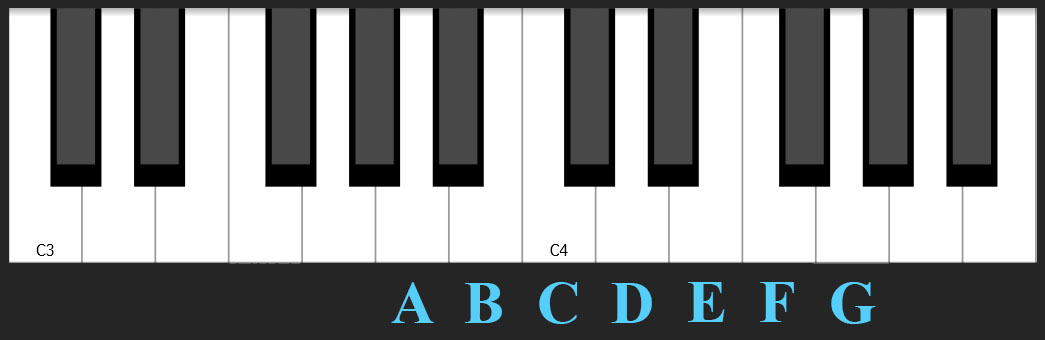
Using the Black Keys as Landmarks
The black keys are your best friends. Notice how they are grouped in alternating sets of twos and threes? We use these groups as visual landmarks to find our way around.
Once you learn how to easily spot C and F, finding the rest of the notes is a breeze.
Middle C: Your Home Base
Sit in the middle of your keyboard. Find the group of two black keys closest to the center of the instrument. The white key just to the left of them is Middle C. This is your home base! It generally splits the keyboard in half: the lower notes for your left hand, and the higher notes for your right.
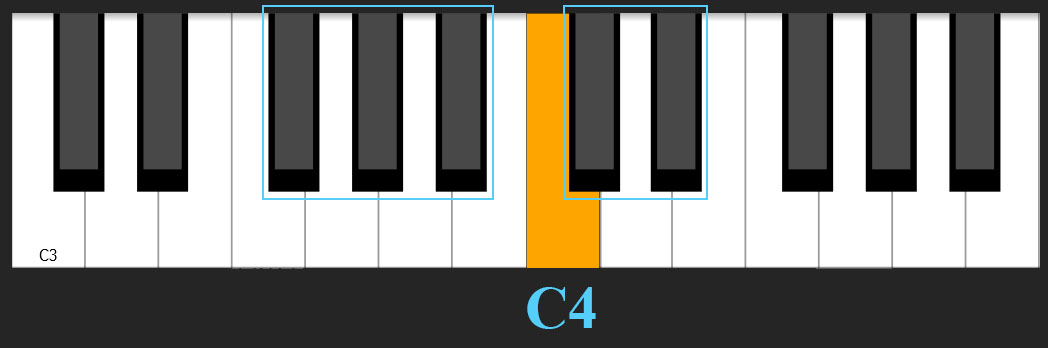
Self-Check Questions
- Question: How do you find a C on the piano?
Click to reveal answer
Answer: Look for any group of two black keys. The white key just to the left of them is always C.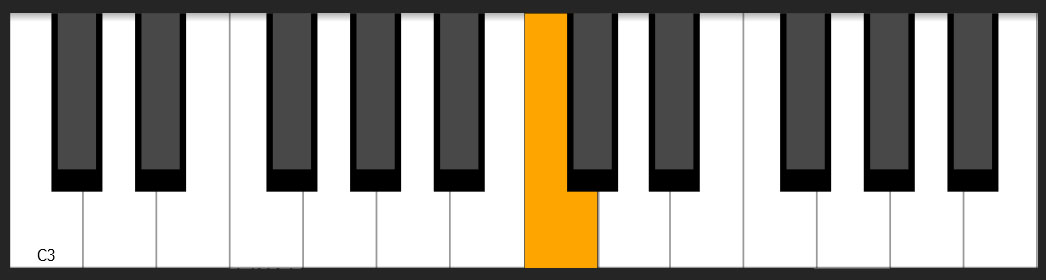
- Question: How do you find an F?
Click to reveal answer
Answer: Look for any group of three black keys. The white key just to the left of them is always F.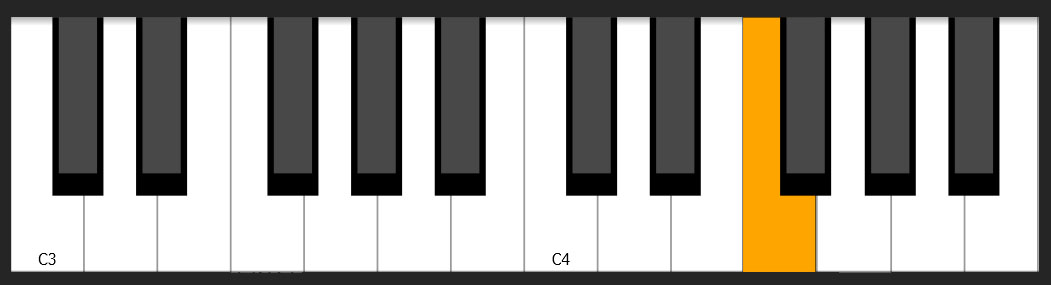
- Question: How do you play an octave above Middle C?
Click to reveal answer
Answer: Start at Middle C. Move your hand to the right, find the very next group of two black keys, and play the white key to its left.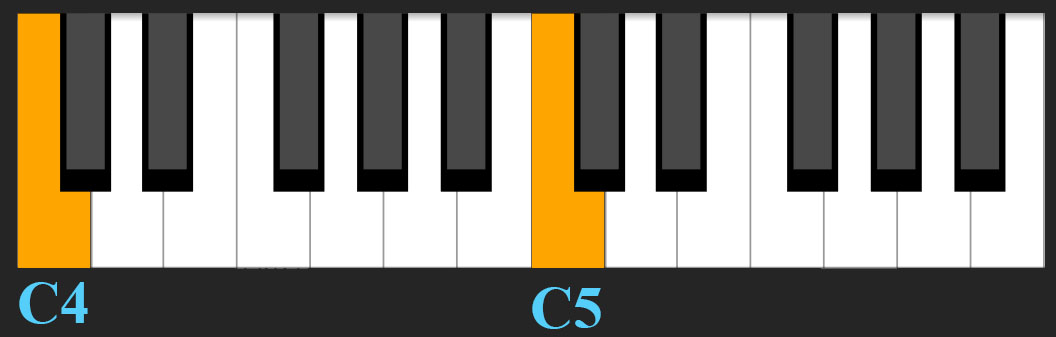
- Question: How do you find an E?
Click to reveal answer
Answer: Find a group of two black keys. The white key just to the right of them is always E.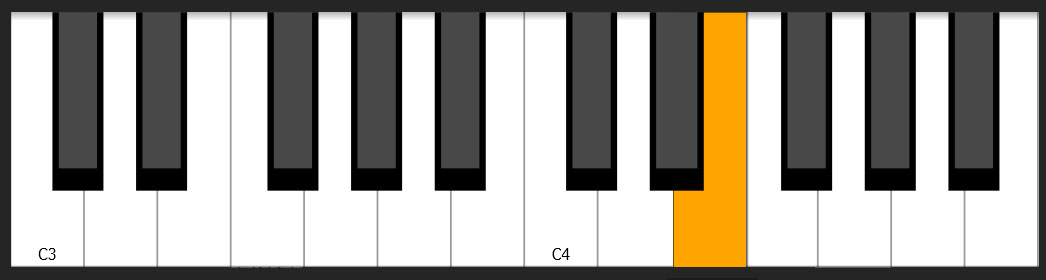
Ready to build your musical foundation?
Unlock Interactive Practice for this course and the entire JazzPianoLab training library today.